
The modern culinary landscape is experiencing a profound rebellion against the sterile, hyper-standardized output of the industrial food system. For decades, commercial food production relied on ultra-processed ingredients, artificial flavor enhancers, and shelf-stable additives designed to strip food of its natural variance in exchange for uniform predictability. Today, the pendulum is swinging sharply in the opposite direction. Chefs, artisan producers, and conscious diners are looking backward to move forward, sparking a massive renaissance in ancestral fermentation techniques and minimally processed foods.
Far from a nostalgic gimmick, this movement represents a permanent evolution in gastronomy. By embracing ancient microbial transformations and unadorned, raw-ingredient foundations, professional kitchens are discovering that the oldest techniques in human history hold the secret to the most exciting flavors of the future.
The Science and Soul of Ancestral Fermentation
At its heart, ancestral fermentation is an exercise in controlled transformation. Long before the advent of refrigeration, cultures across the globe relied on microbes—bacteria, yeasts, and molds—to preserve harvests, unlock nutrients, and make food safe and digestible.
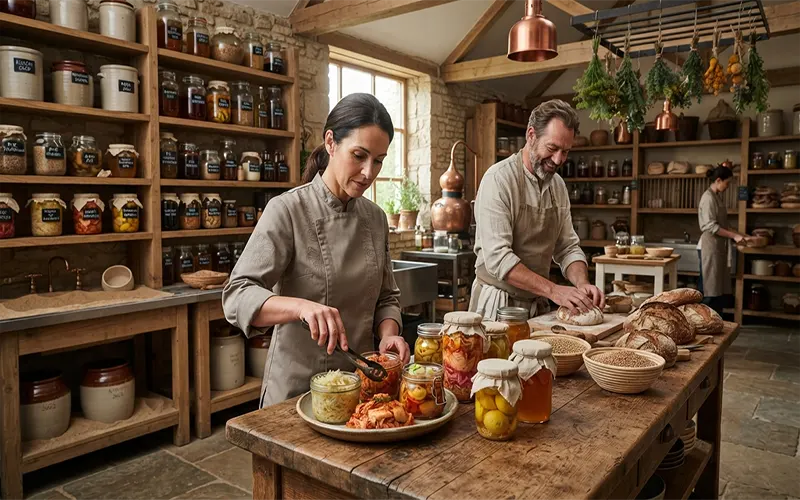
Today, professional kitchens are embracing these global traditions with scientific precision. Chefs are no longer just cooking; they are cultivating living ecosystems. Techniques such as Japanese koji inoculation, wild lactic-acid vegetable fermentation, long-ferment sourdough baking, ancient fish and meat garums, and house-made live-culture vinegars have become standard vocabulary in modern restaurants.
This intersection of food science and tradition creates what culinary professionals prize above all else: complex umami. Fermentation breaks down proteins into savory amino acids and complex carbohydrates into rich, nuanced sugars, building layers of depth that artificial flavorings could never replicate.
The Rise of Minimally Processed Artisan Foods in Commercial Kitchens
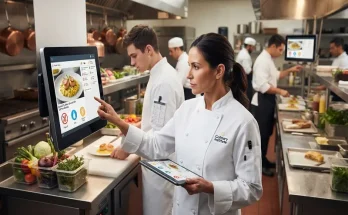
The embrace of fermentation goes hand in hand with a broader rejection of convenience cooking. In professional kitchens, the reliance on pre-made bases, industrial thickeners, and chemical preservatives is giving way to scratch-made pantry programs.
1. Dedicated Fermentation Cellars and Curing Rooms
Leading restaurants are carving out physical space for preservation. It is increasingly common to see upscale dining establishments featuring dedicated fermentation cellars, temperature-controlled curing chambers, and visible pantry walls lined with bubbling crocks of miso, bubbling jars of pickles, and hanging charcuterie. This transparency brings the invisible magic of microbiology front and center for the diner.
2. The Pursuit of Terroir and Unrepeatable Flavor
Industrial food strives for exact replication across every batch. Artisan fermentation celebrates the exact opposite: terroir and variance. Because wild microbes react dynamically to local ambient temperatures, seasonal humidity shifts, and the specific mineral content of local ingredients, fermented foods carry a unique signature of time and place. Diners increasingly crave these unrepeatable, authentic flavor profiles that tell the story of a specific season and micro-climate.
Health, Gut Microbiome, and Sustainability
While deep flavor drives the culinary passion for fermentation, health and sustainability provide its vital modern urgency.
1. Digestive Health and Nutrient Bioavailability
Modern diners are acutely aware of gut health, the microbiome, and the systemic impacts of diet. Ancestral fermentation inherently supports digestive wellness. The living probiotics created during fermentation populate the gut microbiome, while the microbial breakdown of complex compounds significantly enhances nutrient bioavailability, making vitamins and minerals easier for the human body to absorb.
2. Zero-Waste Circularity
Sustainability is another major pillar of the movement. Fermentation is, by definition, an act of preservation. Professional kitchens are leveraging ancestral techniques to rescue surplus seasonal produce, trimmings, and byproducts, turning what would have been food waste into shelf-stable hot sauces, vinegars, pastes, and seasonings. This zero-waste ethos aligns perfectly with circular, eco-conscious culinary operations.
The culinary industry’s shift toward ancestral fermentation and minimally processed artisan foods marks a profound return to our culinary roots. By trading laboratory-engineered additives for living cultures and raw, honest ingredients, modern chefs are honoring human history while pushing the boundaries of taste.
In a world dominated by mass production and speed, the slow, patient art of fermentation reminds us that great food cannot be rushed. It must be cultivated, respected, and shared—proving that ancient wisdom remains the ultimate cutting edge of gastronomy.