
The modern travel brochure is no longer printed on glossy paper; it streams in 4K resolution on living room televisions and mobile devices. Over the past several years, the global entertainment landscape—dominated by prestige streaming giants, serialized dramas, and immersive fantasy epics—has fundamentally reshaped how people choose where to go on vacation. For millennial travelers, television sets have become the world’s most powerful travel agencies.
This phenomenon, widely known as “set-jetting” or pop culture tourism, has evolved from a niche hobby for die-hard superfans into a multi-billion-dollar global travel movement. For a generation that values experiential storytelling, emotional connection, and highly personalized journeys, traveling to iconic filming locations is not just about sightseeing—it is an immersive pilgrimage into the stories that shaped their cultural identity.
The Psychology of Set-Jetting: Why Millennials Travel for TV
To understand the surge in pop culture travel, one must examine the deep emotional bond between modern viewers and their favorite series. In an era marked by rapid societal changes and digital fatigue, television provides profound escapism and a shared sense of global community.
Millennials, in particular, crave meaning and narrative depth in their travel choices. When a television show weaves a breathtaking landscape, a historic city, or a rustic coastal village into its core narrative, that location ceases to be a mere backdrop. It becomes a character in its own right. Visiting these spots allows travelers to step out of the digital ether and physically inhabit the fictional worlds that brought them comfort, inspiration, and community. It is an emotional homecoming to a place they feel they already know.
Economic and Destination Impacts: Beyond the Screen
The economic ripple effect of a successful television placement on a destination can be staggering, transforming regional economies almost overnight.
1. The Overnight Transformation of Undiscovered Regions
When a hit series showcases a lesser-known town, rural countryside, or emerging international city, local tourism boards often experience immediate, unprecedented surges in visitor numbers. Regions that previously relied on traditional, seasonal tourism suddenly find themselves welcoming international travelers year-round, injecting vital capital into local economies.
2. Destination Management and Strategic Adaptation
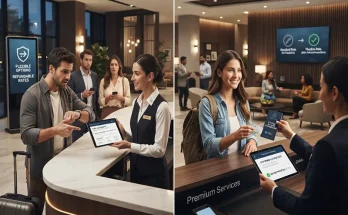
Destination Management Organizations (DMOs) and local hospitality brands have quickly adapted to this wave. Rather than treating fans as a nuisance, forward-thinking regions are leaning into the phenomenon. They are developing specialized guided walking tours, immersive behind-the-scenes experiences, and themed hospitality packages that cater directly to pop culture enthusiasts.
However, this rapid growth brings significant operational challenges. DMOs must carefully manage over-tourism, protecting fragile ecosystems and historic neighborhoods from overcrowding while balancing authentic local culture with influxes of enthusiastic fans.
Curating Authenticity: Moving Beyond Basic Sightseeing
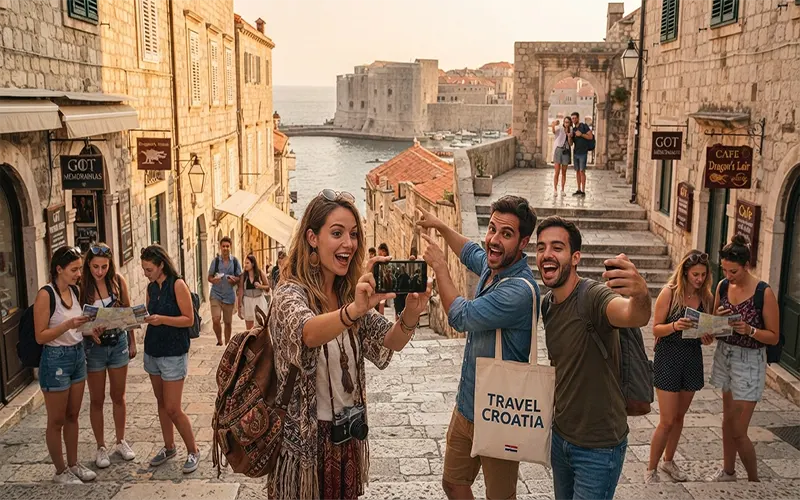
Millennial travelers are notoriously savvy. They demand more than a quick selfie outside a famous storefront or a crowded viewpoint; they want deep-dive cultural integration inspired by the show that brought them there.
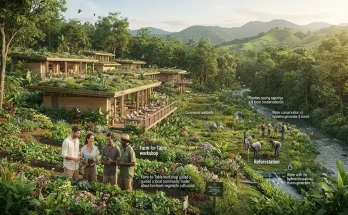
If a popular culinary drama features a specific region in Italy, travelers want to book hands-on pasta-making classes with local artisans in those exact villages. If an epic fantasy series highlights remote hiking trails, they want guided eco-treks that respect local wildlife and land stewardship. True pop culture tourism bridges the gap between entertainment fandom and responsible, sustainable travel, ensuring that the local community benefits directly from the influx of visitors.
The rise of pop culture travel and television filming location tourism represents a permanent, exciting pillar of modern travel behavior. As entertainment and hospitality continue to converge, the boundary between the stories we watch on screen and the adventures we live in real life will only continue to blur.
For the modern traveler seeking inspiration, stepping inside the frame is the ultimate way to explore the world—proving that narrative storytelling remains one of our most powerful invitations to connect with new cultures, landscapes, and communities.