The modern restaurant dining room is undergoing its most radical transformation in decades. For generations, the business model of commercial hospitality was built on an economy of absolute abundance: oversized plates, heavy cream-based sauces, complimentary breadbaskets, and multi-course meals designed to maximize caloric intake per dollar spent. Today, that foundation is shifting beneath our feet. Driven by a combination of mainstream longevity culture and the rapid adoption of GLP-1 receptor agonists (such as Ozempic, Wegovy, and Mounjaro), the hospitality landscape is being forced to adapt to a new reality: the “smaller appetite economy.”
Far from a fleeting dietary trend, this shift represents a permanent restructuring of consumer psychology and physiology. Restaurants from fast-casual chains to Michelin-starred establishments are no longer just feeding people—they are engineering menus for a public that eats less, demands more nutritional density, and refuses to sacrifice the joy of eating out.
The Physiology of the Plate: Understanding the GLP-1 Diner
To understand how menus are changing, one must first understand how medications like GLP-1s alter the dining experience. These drugs mimic hormones that slow gastric emptying, signal early satiety to the brain, and drastically dampen “food noise”—the constant mental preoccupation with eating.
For the diner taking a GLP-1, or for the increasingly large segment of health-conscious consumers adopting similar intermittent fasting and portion-control habits, the physical relationship with food changes overnight. The physical consequences of eating a massive, greasy, or ultra-sweet meal are no longer just caloric regret; they are acute physical discomfort, nausea, and bloating.
Consequently, consumer behavior at the table has flipped. Diners aren’t necessarily staying home—in fact, data shows they still value the social experience of dining out—but they are ordering drastically differently. They are skipping heavy appetizers, avoiding massive carb-heavy mains, and looking for dishes that deliver high culinary satisfaction and vital nutrients without the physical penalty of excess volume.
Menu Architecture and Engineering Strategies
Restaurateurs and culinary teams are responding with sophisticated menu engineering techniques that preserve profit margins while entirely redefining what a meal looks like on the plate.
1. The Rise of Portion Architecture
Historically, ordering less meant resorting to children’s menus, side salads, or awkwardly asking for a to-go box before the meal even began—a process that felt socially awkward and economically inefficient for the restaurant.
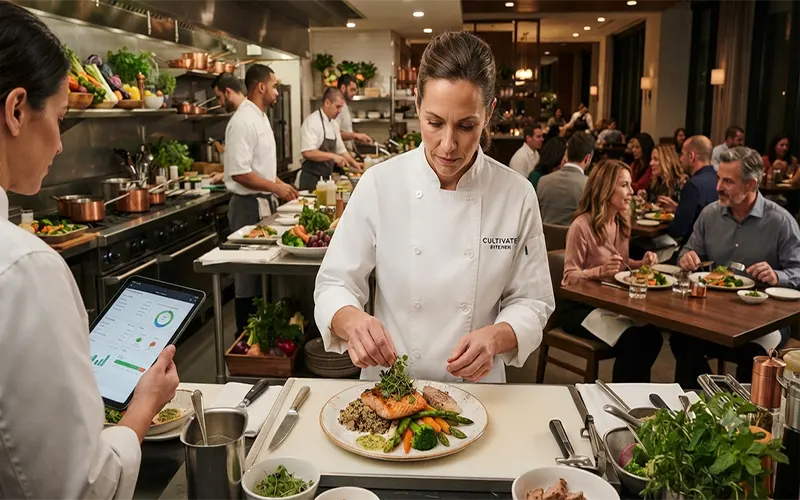
Today, smart operators are introducing “petite entrées” and high-end small-plate structures. By shrinking portions while maintaining premium protein sources, delicate plating, and complex flavor profiles, restaurants can charge a fair price point without triggering waste or physical discomfort. Concepts are leaning into customizable protein bowls, tasting boards, and flexible half-portions that allow diners to curate a lighter meal seamlessly.
2. Protein-Forward and Nutrient-Dense Formats
For decades, the health-conscious menu category meant “low-calorie” or “low-fat”—often code for processed, high-sodium, fiber-stripped diet foods. The GLP-1 and modern wellness movement has completely inverted this philosophy.
Because rapid weight loss can lead to significant muscle mass depletion, nutritionists and savvy diners now prioritize high protein and fiber density. Chefs are shifting focus to lean, high-quality proteins (wild-caught fish, pasture-raised poultry, and complex plant-based proteins) paired with healthy fats like avocado and olive oil, and fiber-rich ancient grains and vegetables. The goal is to maximize nutritional impact in every single bite, ensuring that a smaller volume of food still satisfies daily nutritional requirements.
3. The Trap of Overt Labeling
One of the most delicate challenges in menu engineering is marketing. Extensive consumer feedback reveals a fascinating paradox: while diners actively seek out options that support their wellness goals, they fiercely reject patronizing, clinical, or medicalized labels.
Terms like “GLP-1 Friendly,” “Diet,” or “Weight-Loss Special” are massive turn-offs. They strip the romance, luxury, and escapism out of dining out. Instead, the winning strategy is stealth wellness. Menus are highlighting vibrant ingredients, origin stories, and flavor-first descriptors (e.g., “citrus-glazed heritage salmon with charred broccolini”) that naturally signal health, lightness, and vitality without sounding like a prescription.
Case Studies & Industry Response
The pivot is happening across every tier of the culinary ecosystem:
- Fast-Casual Innovation: Chains like Sweetgreen and Chipotle have long championed customizable, nutrient-dense formats, making them natural default destinations for lower-volume diners who want heavy control over their macros. Newer fast-casual iterations are leaning even harder into high-protein, low-glycemic grain and green blends.
- Casual Dining Adaptation: Traditional casual dining giants are rethinking legacy multi-page menus that relied heavily on massive, high-calorie combination platters. They are introducing modular ordering structures, allowing guests to build custom meals out of smaller, protein-centric appetizers and vegetable sides.
- Fine Dining & Tasting Menus: Even high-end gastronomy is evolving. Multi-course tasting menus, once famous for inducing a food coma via twelve successive heavy courses, are increasingly incorporating palate-cleansing vegetable acidity, lighter seafood-forward courses, and reduced portion volumes that leave guests feeling energized rather than over-stuffed at the end of the evening.
The rise of the GLP-1 receptor agonist and the broader cultural embrace of mindful health mark the most significant disruption to restaurant menu design in generations. For the culinary industry, this is not a crisis of declining appetites, but an invitation to innovate.
Restaurants that master portion architecture, elevate nutrient-dense ingredients, and maintain the sensory magic of hospitality without relying on sheer physical excess will define the future of dining. In the new smaller-appetite economy, success belongs to those who prove that when it comes to the modern plate, less can profoundly be more.