
The plant-based dining movement is growing, and with it, the demand for truly sustainable and ethical ingredients. For restaurants committed to a vegan or vegetarian focus, sustainable sourcing is the next frontier, moving beyond just being meat-free to minimizing environmental impact from farm to fork.
Here are key sustainable sourcing ideas to elevate your plant-based menu and operations:
1. Localize and Seasonalize Your Supply Chain
Reducing food miles and supporting your local food system is one of the most impactful sourcing decisions a restaurant can make.
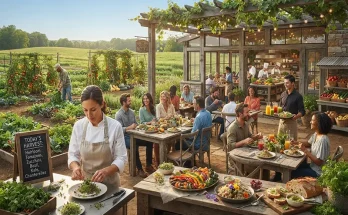
- Partner with Local Farms: Establish direct relationships with farmers in your region. This reduces transportation emissions, ensures fresher produce, and allows for greater transparency about growing practices (like organic or regenerative methods).
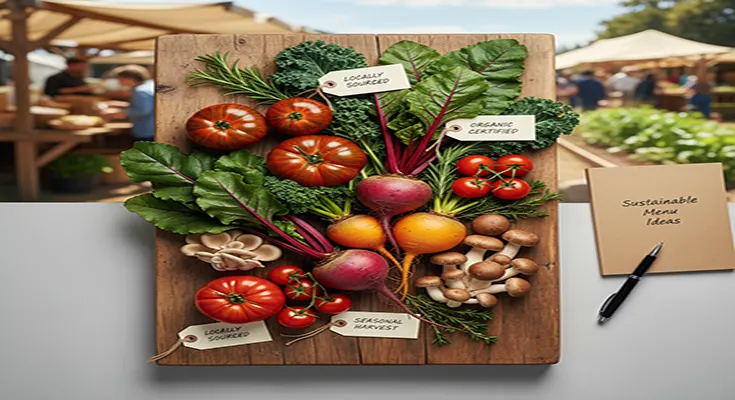
- Embrace Seasonal Menus: Design your core menu to adapt to what is naturally in season. This guarantees peak freshness, flavor, and often lower cost, as in-season ingredients are at their peak supply. Swap out vegetables and fruits multiple times a year rather than relying on global, year-round imports.
- Grow Your Own: Even a small urban eatery can implement on-site production. Start a small herb garden, microgreen trays, or even a rooftop or backyard garden for hyper-local ingredients.
2. Prioritize Organic, Regenerative, and Diverse Crops
Sourcing ingredients that are good for the environment, not just your plate, supports long-term ecological health.
- Go Organic and Certified: Choose suppliers who provide certified organic ingredients, which are grown without harmful pesticides and fertilizers, protecting water quality and soil health.
- Source from Regenerative Agriculture: Seek out farms that practice regenerative agriculture. This approach focuses on restoring soil health, increasing biodiversity, and sequestering carbon—making it one of the most powerful sustainability investments.
- Highlight Diversity and Legumes: Focus on a diverse array of pulses, whole grains, nuts, and seeds. Legumes (beans, lentils) are particularly sustainable as they naturally fix nitrogen in the soil, reducing the need for synthetic fertilizers. Make them the center of the plate for protein instead of relying solely on highly-processed substitutes.
- Support Heirloom and Heritage Varieties: Using less-common, regionally adapted varieties of vegetables helps to preserve agricultural biodiversity and often results in richer, more unique flavors for your dishes.
3. Implement a Comprehensive Zero-Waste Strategy
Sustainable sourcing extends to how you manage ingredients once they are in your kitchen. Plant-based kitchens are perfectly set up for creative waste reduction.
- Whole-Ingredient Utilization: Develop recipes that use every part of the plant. Vegetable scraps can be used for house-made stocks, broths, and zero-waste sauces. Stale bread can become croutons or bread pudding.
- Menu Cross-Utilization: Design your menu so that single ingredients are used in multiple dishes (e.g., kale for both a salad and a soup special). This minimizes the risk of spoilage for specific, low-volume ingredients.
- Smart Inventory and Portioning: Use sales data and an active waste sheet to set accurate prep-pars and standardized portion sizes. This prevents both over-ordering from suppliers and uneaten food returning from the customer table.
- Composting Program: Establish a system for kitchen scraps that can’t be repurposed. Partner with a local composting service or a nearby farm to turn food waste into soil amendment, closing the loop on your food cycle.
4. Vet Suppliers and Enhance Supply Chain Transparency
Building a truly sustainable menu requires open communication and accountability with your suppliers.
- Seek Out Sustainable Certifications: Look for certifications like Fair Trade (for imported items like coffee, spices, or chocolate) or local sustainability certifications to ensure ethical labor and environmental standards are met.
- Ask Direct Questions: Engage your vendors about their environmental practices: How do they handle transportation? What are their water and energy conservation efforts? Do they offer products from regenerative or small-scale farms?
- Reduce Packaging: Work with your suppliers to minimize or eliminate single-use plastic in their deliveries. Prioritize bulk purchases for dry goods like flour, oats, nuts, and lentils to cut down on packaging waste.
By integrating these ideas, a plant-based restaurant can lead the industry, creating a menu that is not only delicious and healthy but also a true force for environmental good.
Would you like me to find a specific local farm-to-table cooperative or organic supplier in your area, or would you prefer a deeper dive into menu strategies for upcycling food waste?