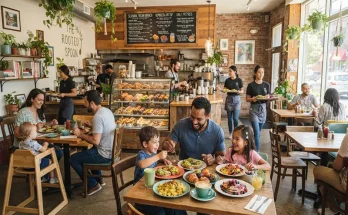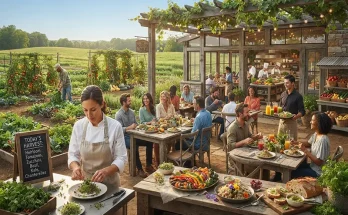

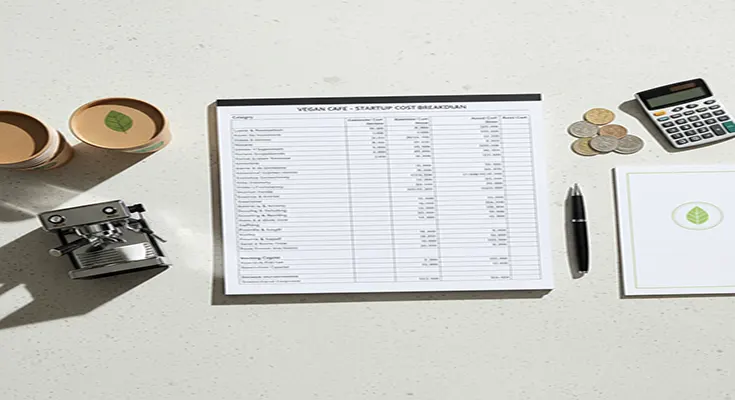
Launching a vegan or plant-based eatery is an exciting venture, but like any restaurant, it requires significant upfront capital and meticulous budgeting. The total startup cost for a small-to-medium vegan restaurant typically ranges from $160,000 to over $650,000, heavily depending on location, size, and concept (e.g., fast-casual café vs. full-service dining).
This breakdown outlines the major cost categories you must account for when planning your vegan restaurant’s budget.
1. Initial Capital Expenditure (CapEx)
These are your one-time, non-recurring costs for setting up the physical business. This often represents the largest portion of your initial budget.
| Expense Category | Typical Range (USD) | Key Considerations for Vegan Concepts |
| Real Estate & Lease Costs | $50,000 – $300,000+ | Location is King: Prime urban areas and high-foot-traffic spots are critical for early success but demand higher security deposits (2–3 months’ rent) and legal fees. |
| Renovation & Build-Out | $20,000 – $150,000+ | The cost depends on whether the space was previously a restaurant. Vegan concepts often prioritize eco-friendly materials and a warm, health-focused aesthetic, which can raise material costs. |
| Kitchen Equipment & Tools | $30,000 – $100,000 | Budget for specialized vegan equipment: High-speed blenders and commercial food processors for plant-based cheeses/milks, large refrigeration/freezer capacity for fresh produce, and potentially combi-ovens. |
| Furniture & Front of House | $10,000 – $35,000 | Includes tables, chairs, barstools, and décor. Align the design with your brand (e.g., sustainable, modern, cozy). |
| Technology & POS System | $5,000 – $15,000 | Point-of-Sale (POS) hardware, software subscriptions, integrated online ordering, inventory tracking tools, and kitchen display systems (KDS). |
| Licenses & Permits | $5,000 – $20,000 | Business license, food service establishment permit (health department), fire safety, and certificate of occupancy. A liquor license can cost significantly more (up to $400,000 in quota-limited areas). |
2. Pre-Opening & Working Capital Costs
These expenses cover everything needed to launch and keep the doors open before the business becomes profitable.
| Expense Category | Typical Range (USD) | Key Considerations for Vegan Concepts |
| Initial Inventory (Stock) | $10,000 – $30,000 | Organic, specialized vegan ingredients (tofu, seitan, specialized flours, imported grains) may have a higher initial cost. Requires careful sourcing and supplier negotiation. |
| Initial Payroll & Training | $10,000 – $40,000 | Covers hiring costs, pre-opening staff wages, and comprehensive training on the plant-based menu, allergens, and customer service. |
| Branding & Launch Marketing | $5,000 – $25,000 | Logo design, menu design, website development, professional food photography, and grand opening promotional events (including outreach to local food bloggers/influencers). |
| Working Capital (Buffer) | 10% – 15% of Total | Essential buffer (e.g., 3-6 months of operating expenses) to cover rent, utilities, and payroll during the initial ramp-up phase when revenue is not yet steady. |
3. Ongoing Operating Costs (OpEx)
These are the recurring monthly costs essential for keeping the restaurant running.
| Expense Category | Typical Monthly Allocation (as % of Revenue) | Notes & Targets |
| Food & Ingredient Costs | 25% – 35% | Cost of Goods Sold (COGS). Vegan ingredients like plant-based proteins or specialty produce can be costly. Target: Gross Margin of 65-75% on menu items. |
| Labor Costs (Wages/Salaries) | 30% – 40% | Includes all kitchen and front-of-house staff. Cross-training staff and smart scheduling are critical to keeping labor below 40%. |
| Rent & Lease Payments | 6% – 10% | This is a fixed cost. In competitive areas, aim to keep your rent below 10% of your total projected sales. |
| Utilities (Gas, Water, Electric) | 3% – 7% | Vegan kitchens often use high-power appliances (blenders, induction), requiring a budget for higher electricity usage. Use ENERGY STAR rated equipment to mitigate costs. |
| Marketing & Advertising | 3% – 6% | Focus on high-ROI digital channels: social media, email loyalty programs, and local community engagement. |
| Sustainable Packaging | 1% – 3% | Vegan brands often commit to compostable/recyclable packaging, which is typically 10% to 15% more expensive than conventional options. Buy in bulk to manage this cost. |
Strategies for Managing Startup Costs
| Strategy | Benefit | How to Implement |
| Phase the Equipment | Reduces CapEx significantly. | Lease expensive, non-core equipment (like dishwashers) initially, or purchase certified used equipment instead of brand new. |
| Smart Renovation | Minimizes construction spend. | Choose a location that was previously a restaurant to avoid costly plumbing, HVAC, and commercial kitchen build-out from scratch. |
| Bulk & Local Sourcing | Reduces COGS over time. | Negotiate long-term contracts with a few reliable bulk suppliers. Partner directly with local, seasonal farms to lower food costs and align with your brand’s ethos. |
| Contingency Fund | Protects against overruns. | Always budget for a 10-15% contingency fund to cover unexpected costs, such as permitting delays, equipment malfunctions, or renovation overruns. |
To succeed in the demanding restaurant industry, your financial plan must be as comprehensive and high-quality as your menu. It is not enough to just open; you must plan to thrive.
Would you like me to create a 5-year projected financial model template for a small, fast-casual vegan cafe based on these cost ranges?