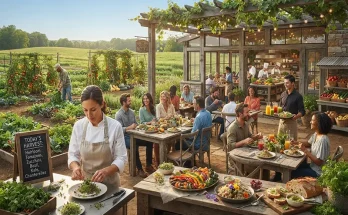


Vegan restaurants are no longer just for vegans. The rise of flexitarianism, health consciousness, and environmental awareness means a huge market of non-vegan diners—or “open-omnivores”—are looking for delicious, plant-forward options.
To capture this broader audience, your marketing strategy needs to pivot. It’s not just about what your food doesn’t contain, but what it offers: flavor, familiarity, and a fantastic dining experience.
1. Focus on Flavor and Familiarity, Not Just ‘Vegan’
The primary barrier for non-vegan diners is often the misconception that plant-based food lacks taste or satisfaction. Your menu and marketing should directly address this.
- Prioritize Taste and Texture: The taste must be irresistible. Use mouthwatering descriptions that emphasize the sensory experience. Instead of “vegan burger,” try “Smoky Black Bean Burger with Crispy Fried Onions.” Highlight the juiciness, savory notes, and satisfying textures.
- Offer “Plant-Based” Classics: Non-vegans are more likely to try plant-based versions of dishes they already love. Feature familiar comfort foods like:
- Plant-based “Spicy Chicken” Sandwiches
- “Cheesy” Mac & Cheese
- Veggie-Loaded Burritos
- Mushroom-based “Steak” Frites
- Use Inclusive Language: The words “vegan” or “vegetarian” can sometimes be perceived as restrictive by omnivores. Use positive and inclusive framing like:
- “Plant-Based” or “100% Plants”
- “Plant Protein” or “Veggie-Powered”
- Focus on benefits like “High-Fiber” or “Cholesterol-Free,” rather than “Meat-Free.”
- Integrate Menu Items: Don’t isolate your plant-based items in a separate section labeled “Vegan Options.” Integrate them seamlessly with other similar dishes. For example, place your plant-based burger right next to your signature veggie burger.
2. Emphasize Broader Benefits in Your Marketing
Non-vegan customers often have different motivations than committed vegans. Appeal to their interests in health, sustainability, and curiosity.
| Benefit Angle | Marketing Focus |
| Health | Highlight what the dish contains. Use terms like “High in Protein,” “High-Fiber,” “Nutrient-Rich,” or “Made with Whole Foods.” Appeal to fitness and wellness goals. |
| Sustainability | Communicate your impact. Feature statistics like “reducing your carbon footprint” or “saving water” with a specific meal. Emphasize your ethical and local sourcing. |
| Curiosity | Entice the adventurous diner. Promote innovative dishes or new flavors. Phrases like “A Delicious Twist on a Classic” or “You Won’t Believe It’s Plant-Based” can pique interest. |
| Inclusivity | Position your restaurant as the easy choice for mixed dining groups. Promote that you can accommodate diverse diets, allergies, and lifestyles, making you the default choice when friends or families go out. |
3. Create an Inclusive, Appealing Environment
The restaurant’s atmosphere and service should be welcoming to everyone, not just a niche group.
- Design and Ambiance: Focus on a natural, modern, or high-end aesthetic rather than overt “vegan” messaging. Ensure your ambiance is inviting and appealing to a broad audience, prioritizing comfort and cleanliness.
- Pricing Strategy: While plant-based ingredients can sometimes be costly, try to price signature dishes competitively with non-vegan equivalents in your area. High prices can be a significant barrier for first-time or casual buyers.
- Staff Training is Crucial: Your frontline staff are your biggest advocates. Train them to:
- Enthusiastically recommend plant-based options based on flavor, not just ethics.
- Be knowledgeable about ingredients to confidently answer questions from all diners.
- Describe the taste and texture of the food using the positive language from your menu.
- Host Themed Events: Organize events that aren’t solely focused on veganism. Try a “Farm-to-Table” tasting menu, a “Zero-Waste Cooking Class,” or a “Globally Inspired Street Food Night” that just happens to be 100% plant-based.
4. Leverage Digital Channels and Community
Your online presence is where non-vegans will first encounter your brand.
- Visual Storytelling: Use striking, high-quality visuals of your food on social media. Focus on the colors, textures, and portions. The images should look like food anyone would crave, regardless of diet.
- Collaborate Broadly: Partner with local food bloggers, micro-influencers, and community pages that cater to a general food or lifestyle audience, not just the vegan community. Encourage them to highlight the taste and experience of your restaurant.
- Engage Locally: Partner with local businesses outside the vegan sphere, like fitness studios, health food stores, or community organizations. Host pop-ups or offer joint discounts to bring in new faces.
By shifting the focus from being a vegan restaurant to being an exceptionally delicious restaurant that just happens to be plant-based, you can break down barriers and successfully transform curious omnivores into loyal, repeat customers.