
The vegan dining scene in 2025 has moved far beyond a niche trend; it’s a mainstream culinary force driven by flexitarians, health-conscious consumers, and environmental advocates. To stand out in this competitive landscape, vegan restaurants must shift their marketing focus from what they serve (plant-based) to why and how it’s the best choice.
Here are the best marketing strategies for vegan restaurants to drive growth, build loyalty, and thrive in 2025.
1. The Flexitarian Focus: Market on Flavor, Not Just Ethics
The largest growth segment for vegan dining is the flexitarian—someone who occasionally chooses plant-based meals. Your marketing must appeal directly to their motivations: taste, health, and convenience.
- Positive, Descriptive Language: Stop using terms like “meat-free” or “dairy-alternative.” Instead, use rich, positive, and enticing flavor-focused language on your menu and social media.
- Instead of: “Vegan Burger”
- Use: “Umami-Rich Smoked Black Bean Patty with Chipotle Aioli“
- Emphasize “Whole-Plant” Excellence: Consumers in 2025 are wary of heavily processed meat imitations. Highlight dishes made from recognizable, whole ingredients (lentils, chickpeas, local vegetables) to appeal to the “clean label” trend.
- The Default Nudge: A subtle, yet powerful strategy is to make plant-based the default option for certain items (e.g., offering oat milk as the standard for coffee, or having a vegan special as the prominent “Dish of the Day”).
2. Digital Engagement & The Community Connection
A strong digital presence is non-negotiable, but it must be strategic and authentic.
- Leverage Short-Form Video (TikTok/Reels): Use engaging, fast-paced video content that focuses on visual appeal:
- The “Prep” Process: Behind-the-scenes clips showcasing fresh, colorful ingredients being prepped.
- The “Taste Test”: Partner with micro-influencers (local foodies, wellness advocates) to create authentic, relatable taste-test videos.
- The “How-To”: Quick tips or simplified recipes for one of your signature dishes.
- Local SEO & Directory Dominance: Ensure your business is optimized for local searches and niche directories.
- Google Business Profile: Keep hours, menus, and high-quality photos consistently updated.
- Vegan Directories: Claim and maintain profiles on platforms like HappyCow to reach your core demographic.
- Targeted Keywords: Optimize your website for phrases like “Best vegan brunch [Your City]” or “Plant-based dinner near me.”
- User-Generated Content (UGC): Actively encourage customers to share and tag their dining experiences.Reposting customer photos and testimonials builds trust and creates social proof that your food is visually stunning.
3. Mission-Driven Marketing & Experiential Events
Modern diners view their food choices as a reflection of their values. Your marketing must communicate your restaurant’s ethical and environmental impact.
- Sustainability Transparency: Go beyond saying you are “sustainable.” Quantify and communicate your positive impact:
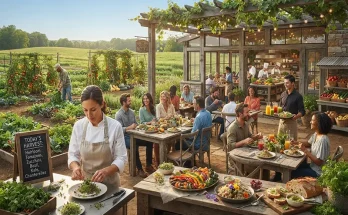
- Highlight local sourcing partners (e.g., “Our tomatoes are from [Local Farm Name]”).
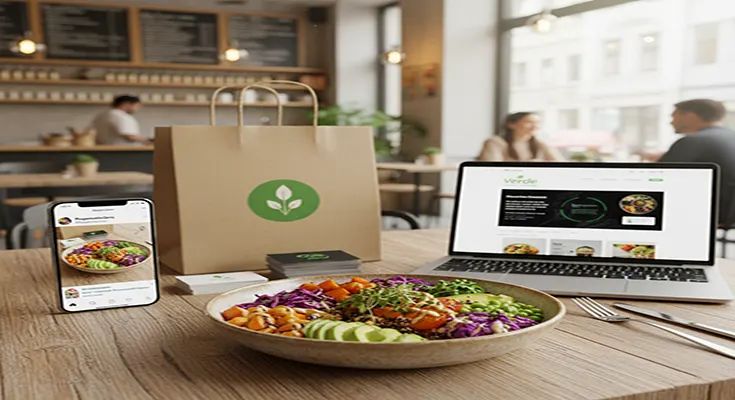
- Use eco-friendly packaging and promote zero-waste initiatives.
- Feature data-driven storytelling (e.g., “This meal saves X gallons of water”).
- Host Unique Events & Workshops: In-person experiences create powerful brand loyalty and media buzz.
- Virtual or In-Person Cooking Classes: Teach participants how to make a popular vegan dish.
- Wellness Collaborations: Partner with local yoga studios, fitness communities, or ethical businesses for co-promoted events (e.g., “Post-Yoga Brunch Special”).
- Themed Nights: Organize “Global Vegan Cuisine” nights (e.g., Ethiopian, Thai Fusion) to showcase variety and attract diverse crowds.
- Loyalty and CRM: Implement a digital loyalty program (via app or SMS) to gather customer data and send personalized, data-driven offers (e.g., a birthday reward, or a discount on a dish similar to one they’ve frequently ordered).
Key Takeaway for 2025:
The successful vegan restaurant in 2025 doesn’t just sell food; it sells a culinary experience that aligns with the future of food—delicious, healthy, ethical, and convenient.